Facility day porter services put a trained cleaning professional in your building during business hours. The porter keeps lobbies, restrooms, break rooms and common areas clean while tenants and visitors are there, and responds to spills and requests as they happen. Deep cleaning is handled after hours by a nighttime janitorial crew. A day porter keeps the building looking its best during the day.
For Class A offices, corporate headquarters and busy multi-tenant buildings, the time between 9 a.m. and 5 p.m. is when first impressions are made. A restroom that runs out of paper at noon or a lobby with tracked-in water undoes the work of the night crew.
This guide explains what day porters do, how they compare to janitors, what affects day porter cost, and how to tell whether your building needs one.
What do day porter services include?
Day porter services cover the visible, ongoing cleaning a building needs while it’s occupied. Duties are set by each building’s needs, but most programs include:
- Lobby and entrance upkeep. Wiping glass doors, spot-mopping floors, emptying trash and keeping entry mats clean, especially in bad weather.
- Restroom checks. Restocking paper and soap, wiping fixtures and addressing issues before tenants report them.
- Break room and kitchen care. Wiping counters, running dishwashers, cleaning appliance handles and keeping shared spaces tidy.
- Conference room resets. Clearing tables, removing trash and wiping surfaces between meetings.
- High-touch disinfection. Midday disinfection of door handles, elevator buttons, railings and other shared touchpoints.
- Spill and request response. Handling spills, deliveries and tenant requests as they come up.
- Exterior touch-ups. Policing sidewalks, entryways and smoking areas for litter.
Day porters often become a familiar face for tenants. In hospitality-focused buildings, that presence is part of the experience, not just the cleaning. UG2 offers porter and matron services as part of its janitorial services.
UG2 prioritizes training for everyone and being a true partner to our customers.
Day porter vs. janitor: what’s the difference?
The main difference is timing and focus. A day porter maintains the building during business hours. A janitor cleans it thoroughly after hours. Most commercial buildings need both.
Day porter
- Works during business hours, while the building is occupied.
- Focuses on visible, ongoing upkeep and quick response.
- Handles restocking, spot cleaning, spills and touchpoint disinfection.
- Interacts with tenants, visitors and building staff.
- Is usually one person or a small team per building or floor.
Janitor
- Works evenings or overnight, after the building empties.
- Focuses on thorough, task-based cleaning.
- Handles vacuuming, mopping, full restroom cleaning, trash removal and dusting across every space.
- Rarely interacts with occupants.
- Is usually a crew sized to the building’s square footage.
The two roles work best as one program. The night crew resets the building, and the day porter keeps it at that standard until the crew returns. When both report to the same supervisor and follow the same quality standard, nothing falls between shifts.
How much do day porter services cost?
Day porter cost depends mainly on how many hours of coverage you need and what the porter is expected to do. Pricing is usually quoted by the hour or as a monthly rate, and it can be part of a larger janitorial contract.
The biggest factors are:
- Hours of coverage. A full-time day porter costs more than a few hours of midday coverage.
- Number of porters. Large or multi-building properties may need more than one.
- Scope of duties. Light upkeep costs less than a role that includes event support, deliveries or disinfection.
- Local labor market. Wages and benefits vary by city and region.
- Building type and traffic. A busy Class A tower needs more attention than a small office building.
- Bundling. Adding day porter coverage to an existing janitorial program is often more cost-effective than a stand-alone contract.
The right question isn’t only what a porter costs.The question is what’s the cost of not having one? Consider some of the challenges without one: tenant complaints, a lower quality score during the day and a weaker impression on visitors and prospective tenants.
When does a building need a day porter?
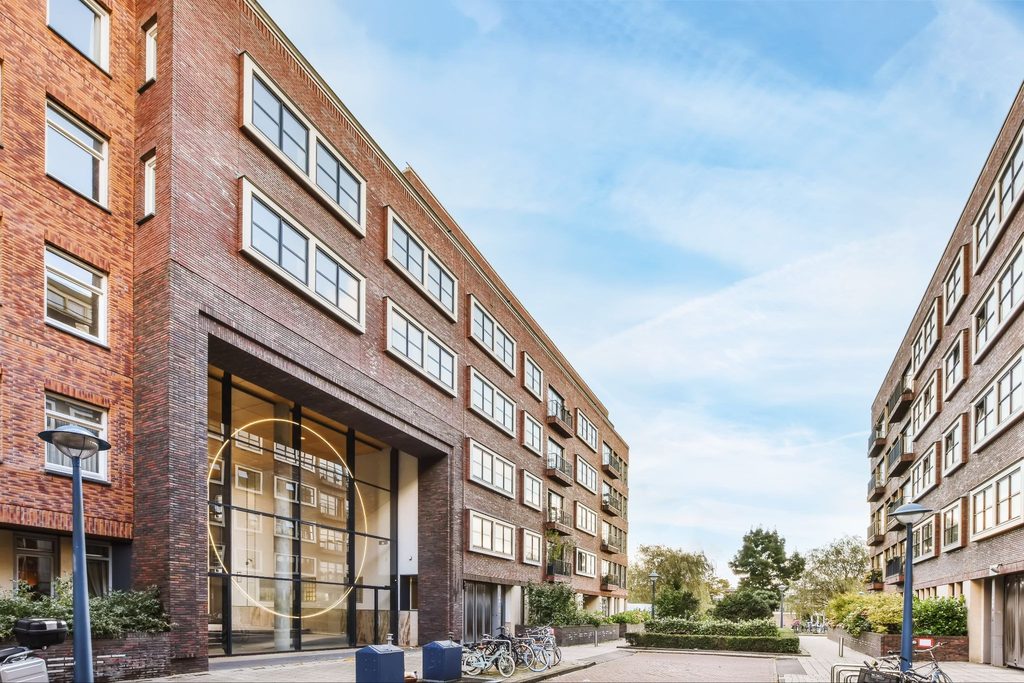
A building needs a day porter when the janitorial night crew’s work doesn’t last through the business day. Common signs include:
- Tenants report restrooms running out of supplies or looking untidy by midday.
- Lobbies and entrances are dirty or look worn by afternoon, especially in rain or snow.
- Break rooms and conference rooms aren’t reset between uses.
- Property managers spend time handling small cleaning requests themselves.
- The building hosts frequent visitors, tours or events.
- You’re competing for tenants in a market where presentation matters.
Day porters are most common in Class A offices, corporate campuses, medical office buildings, retail centers and mixed-use properties. Many owners start with part-day coverage and expand once they see the difference.
“Maria has made a noticeable difference and deserves recognition. Also,your team’s responsiveness, professionalism, and willingness to help are greatly appreciated.”
UG2 Client
Why bundle day porter services with janitorial and facility services?
Bundling day porter coverage with janitorial and other facility services gives you one standard, one supervisor and one point of contact for the whole day. It could provide cost efficiency and also makes scheduling easier, because the day porter can flag issues for the janitorial night crew or the facility engineering team.
That’s the value of integrated facility services. UG2 tracks quality through CompuClean™ and a real-time reporting portal, so day and night work are measured against the same standard.
Frequently Asked Questions
What are day porter services?
Day porter services provide a cleaning professional who works during business hours. The porter keeps common areas, restrooms and break rooms clean and responds to spills and requests in real time.
What is the difference between a day porter and a janitor?
A day porter works during the day and focuses on visible upkeep while the building is occupied. A janitor works after hours and handles thorough, task-based cleaning. Most commercial buildings use both.
How much does a day porter cost?
Day porter cost depends on hours of coverage, number of porters, scope of duties and local labor rates. Pricing is usually hourly or monthly and is often lower when bundled with a janitorial contract.
What is the difference between a porter and a matron?
Porters and matrons perform similar daytime duties. In many buildings, a matron focuses on women’s restrooms and related areas, while a porter covers men’s restrooms and general common areas.
Do day porters disinfect surfaces?
Yes, in many programs. Day porters often disinfect high-touch surfaces such as door handles, elevator buttons and break room counters during the day.
Can I add a day porter to my current janitorial contract?
Usually, yes. Many facility services providers can add day porter coverage to an existing janitorial program, which keeps one standard and one point of contact across day and night shifts.
Keep Your Building Guest-Ready All Day
UG2’s day porter services keep lobbies, restrooms and shared spaces at the same high level standard from open to close. Contact UG2 to talk about the right coverage for your building.